
Cao Bang Tourism Accelerates Toward 3.1 Million Visitors in 2026
Cao Bang is accelerating its tourism development with a target of welcoming 3.1 million visitors in 2026. The province is focusing on heritage-based experiences, new local tourism products, digital travel tools and improved services to encourage visitors not only to come to Cao Bang, but also to stay longer and spend more within local communities.
The new direction reflects a broader shift in Cao Bang tourism: from simply increasing visitor numbers to creating higher-value travel experiences that benefit both travelers and local residents.
Strong Tourism Growth Creates Momentum for Cao Bang
Cao Bang continues to strengthen its position as an emerging destination in northern Vietnam.
For the third time, the province was listed among Vietnam’s Top 10 Most Welcoming Destinations in the Traveller Review Awards, recognizing its friendly atmosphere, cultural identity and growing tourism appeal.
During the first nine months of 2026, Cao Bang welcomed approximately 2.6 million visitors, nearly 11% more than during the same period in 2025 and equivalent to around 84% of its annual target.
International arrivals reached nearly 110,000 visitors, representing growth of more than 22%, while domestic travelers accounted for approximately 2.5 million visits.
Tourism revenue reached nearly VND 3 trillion, an increase of 27%.
The fact that tourism revenue grew faster than visitor numbers suggests that the economic value generated by tourism is beginning to improve.
Building on these results, the provincial culture, sports and tourism sector is working toward increasing the full-year visitor target from 2.8 million to 3.1 million visitors in 2026.
To stimulate travel during the final months of the year, tourism authorities are coordinating with around 110 businesses to develop approximately 160 promotional travel products, including one-day trips, 2-day-1-night and 3-day-2-night itineraries, heritage education experiences, food tourism and cultural activities.
Travelers planning a visit can explore our complete Cao Bang Travel Guide for practical information about transportation, accommodation, attractions and itineraries.
Tourism Quality Becomes as Important as Visitor Numbers
Despite strong growth, Cao Bang tourism still faces several challenges.
Night-time tourism remains limited, services at some attractions are relatively simple, and infrastructure such as parking areas, public toilets, road signs and connecting roads is not yet consistent across all destinations.
Tourism workforce quality, service skills and the use of digital technology also remain uneven in some areas.
For this reason, the province is gradually shifting its tourism strategy away from simply exploiting natural resources and increasing visitor numbers.
The longer-term objective is to create more value from Cao Bang’s natural landscapes, history and cultural heritage.
Tourism performance is increasingly expected to be measured through factors such as:
- visitor length of stay;
- average traveler spending;
- visitor satisfaction;
- quality of tourism services;
- and direct economic benefits for local communities.
By 2030, Cao Bang aims to increase the average visitor stay to approximately 2.5 days per trip.
This approach could be particularly important for destinations such as Ban Gioc Waterfall, Pac Bo, western Cao Bang and the increasingly popular Cao Bang Loop, where multi-day itineraries can distribute tourism income across a wider area.
“Cao Bang Opens Its Heritage” to Visitors
One of the major tourism initiatives toward the end of 2026 is a series of Vietnamese Cultural Day activities under the theme:
“Cao Bang Opens Its Heritage.”
The program is scheduled to take place from November 13 to November 24, 2026.
The activities connect several major cultural occasions and are designed to bring Cao Bang’s cultural heritage closer to both local residents and visitors.
In central Cao Bang, the Kim Dong Walking Street in Thuc Phan Ward will become one of the main spaces for showcasing the cultures of the province’s ethnic communities.
A culinary competition titled “Flavors of the Mountain and Water Region” is expected to take place on November 13, introducing visitors to traditional dishes and local OCOP products.
On the evening of November 23, the province plans to hold the cultural performance “Colors of Cao Bang Ethnic Culture,” followed on November 24 by a major artistic program titled “The Beauty of Cao Bang’s Mountains and Waters.”
Visitors interested in local cuisine can also explore our guide to Cao Bang Specialties.
24 Heritage Experience Sites Across Cao Bang
A particularly notable part of the program is the selection of 24 heritage experience sites across 24 communes and wards.
Each location is expected to organize at least one hands-on cultural activity, with the overall program aiming to attract more than 3,000 participants.
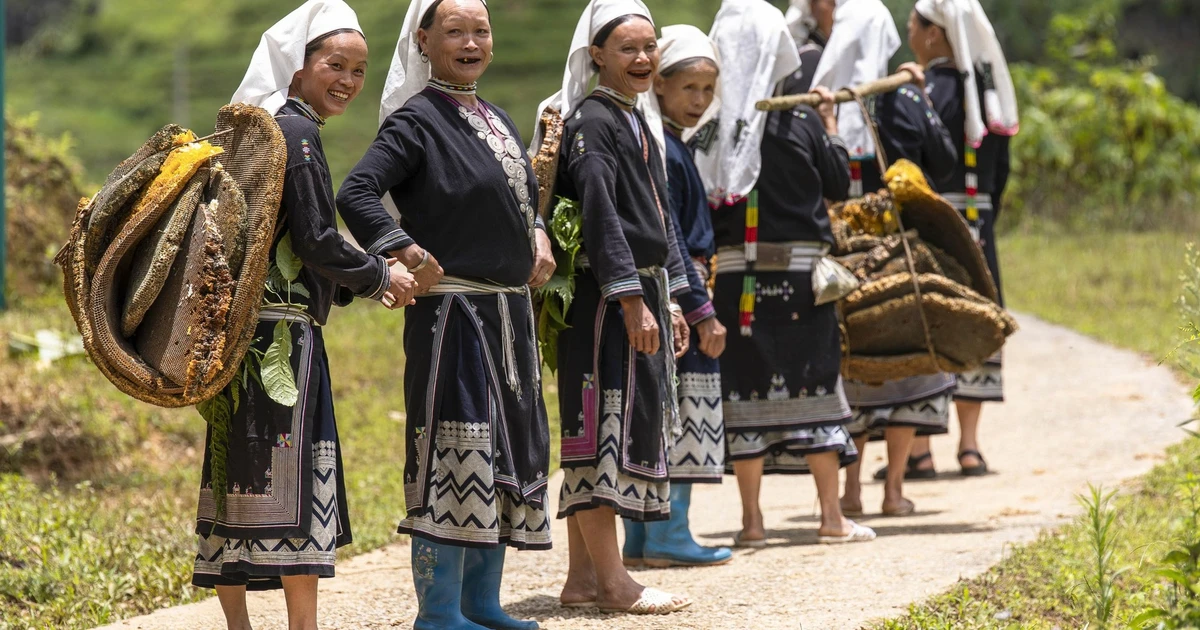
Instead of experiencing heritage only through museum exhibitions, visitors will have opportunities to participate directly in traditional practices.
Activities may include:
- brocade weaving;
- traditional hat making;
- incense making in Phja Thap;
- handmade paper production;
- traditional musical instrument making;
- local cultural exchanges;
- ethnic music performances;
- and community-based experiences.
This model represents an important change in the way cultural tourism is being developed.
Heritage is no longer presented only as something to observe. Visitors are increasingly invited to participate, interact with artisans and experience local traditions firsthand.
At Kim Dong Walking Street, travelers and residents can experience local food, traditional handicrafts and cultural exchanges with artisans performing Then singing and the Tinh musical instrument.
These interactive activities help bring cultural heritage beyond conventional exhibition spaces and make it more accessible to visitors.
Digital Tools Support Cao Bang Travel in 2026
Alongside physical events and new tourism products, Cao Bang is also strengthening its digital tourism infrastructure.
Destination information is being digitized and added to Vietnam’s Digital Cultural Map.
The province is also developing a Cao Bang Cultural Passport in both electronic and printed formats.
Another initiative includes creating 24 bilingual Vietnamese-English cultural stories, helping international travelers understand local history, traditions and communities more easily.
The digital communication campaign “Check-in Cao Bang 2026” is also expected to promote destinations through online channels.
Together, these tools can make Cao Bang travel easier for independent travelers who want to research attractions, choose suitable routes and plan their trips before arriving.
For travelers still deciding what to include in their itinerary, see our guide to the Best Things to Do in Cao Bang.
New Tourism Products Are Emerging Across Cao Bang
Sustainable tourism growth depends not only on major provincial campaigns but also on developing real tourism experiences at the local level.
Several areas across Cao Bang are now connecting landscapes, historical sites, traditional culture and community life to create new products for visitors.
Dam Thuy: Expanding Tourism Beyond Ban Gioc Waterfall

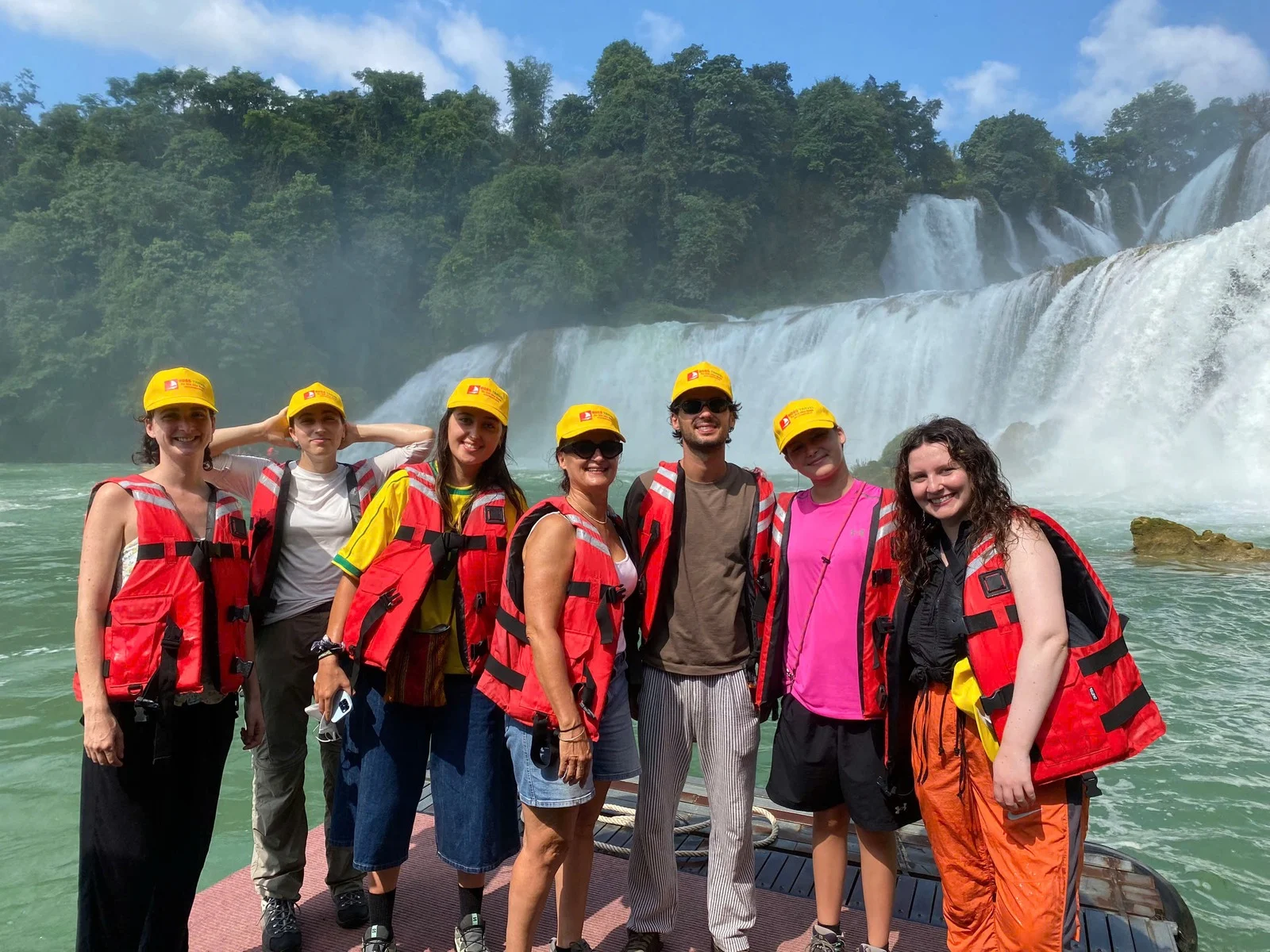
Dam Thuy is already home to some of Cao Bang’s best-known landscapes, including Ban Gioc Waterfall and the Quay Son River.
Local authorities are now considering stronger tourism connections between Dam Thuy, Dinh Phong and Ngoc Con, while also exploring new experience-based and night-time tourism products.
Plans under consideration include developing a night-time economy and introducing artistic lighting at Ban Gioc Waterfall.
Local authorities have also highlighted the need to address operational issues related to tourist rafting activities on the Quay Son River.
If effectively implemented, these developments could encourage travelers to spend more time around Ban Gioc rather than visiting the waterfall only as a short daytime stop.
Khanh Xuan: Khau Coc Cha and New Western Cao Bang Experiences
Khanh Xuan is becoming increasingly notable for its dramatic western Cao Bang landscapes.
The area includes views over the famous 15-level Khau Coc Cha Pass, cloud-hunting locations such as Ho Lu, Lung Tram and Lung Quay, as well as Dao ethnic communities around Ca Lo Village.
Following a successful Hmong Cultural Festival that attracted more than 5,000 visitors, local authorities have proposed developing boat tourism on the Khanh Xuan hydropower reservoir.
The limestone canyon landscape around the reservoir could eventually become another distinctive tourism experience in western Cao Bang.
This development would complement existing road-based attractions and potentially expand the tourism appeal of the western section of the Cao Bang Loop.
Tam Kim Connects Tourism with Revolutionary History
In Tam Kim, tourism development is closely connected with the historical significance of the Tran Hung Dao Forest Special National Relic Site and surrounding communities.
Local tourism programs combine historical interpretation with community culture, sports and local experiences.
By September 2026, tourism revenue in the commune had reportedly reached nearly VND 400 million.
The approach illustrates how smaller communities can use existing historical and cultural assets to become part of wider Cao Bang travel itineraries.
Thuc Phan Strengthens Its Role as a Tourism Hub
Thuc Phan Ward, which includes central Cao Bang, is working to strengthen its role as a tourism hub linking destinations throughout the province.
Planned connections include:
- Ban Gioc Waterfall in Dam Thuy;
- Pac Bo in Truong Ha;
- Khau Coc Cha Pass in Xuan Truong;
- Ba Quang Grass Hill in Vinh Quy;
- and Angel Eye Mountain in Tra Linh.
The objective is to create interconnected itineraries that allow travelers to experience several regions of Cao Bang during the same trip.
Cultural performances and displays from different communities may also be brought into the Kim Dong Walking Street area, creating more activities for visitors staying in Cao Bang City.
Community Tourism and New River Experiences
Thuc Phan is also cooperating with tourism businesses to develop community-based tourism experiences in Duc Hanh residential area.
The proposed destination is expected to accommodate groups of international visitors and offer rural experiences such as catching fish, picking fruit, spending time with local families and staying within the community before continuing to other destinations across Cao Bang.
Another concept under study is a tourism boat route along the Bang River, connecting the walking street area with the King Le Temple.
Initial route surveys have already been conducted, while further assessments are expected to focus on operational conditions and visitor safety before implementation.
These proposals demonstrate how Cao Bang is attempting to diversify its tourism products beyond its best-known attractions.
From Famous Attractions to a Complete Cao Bang Travel Experience
The development of new tourism products across Cao Bang shows an effort to make better use of the distinctive strengths of each locality.
However, turning ideas into sustainable tourism products will require coordinated action in infrastructure, regulations, investment, destination management and cooperation with local tour operators.
Individual attractions also need to be integrated into broader itineraries rather than developed in isolation.
For travelers, this could mean a future Cao Bang experience that combines iconic destinations such as Ban Gioc Waterfall and Pac Bo with mountain routes, ethnic villages, food experiences, cultural workshops and lesser-known communities.
For the province, success will increasingly depend not only on how many tourists arrive, but on how long they stay, how satisfied they are and how much tourism directly benefits local residents.
With a target of 3.1 million visitors in 2026, Cao Bang is entering a new stage in its tourism development — one that places greater emphasis on experience, cultural value, digital access and sustainable local economic benefits.
Travelers interested in exploring the province can browse Cao Bang Tours or use the Cao Bang Travel Guide to start planning a trip.